
10 Key Factors That Affect Gut Health (And How to Improve It Naturally)


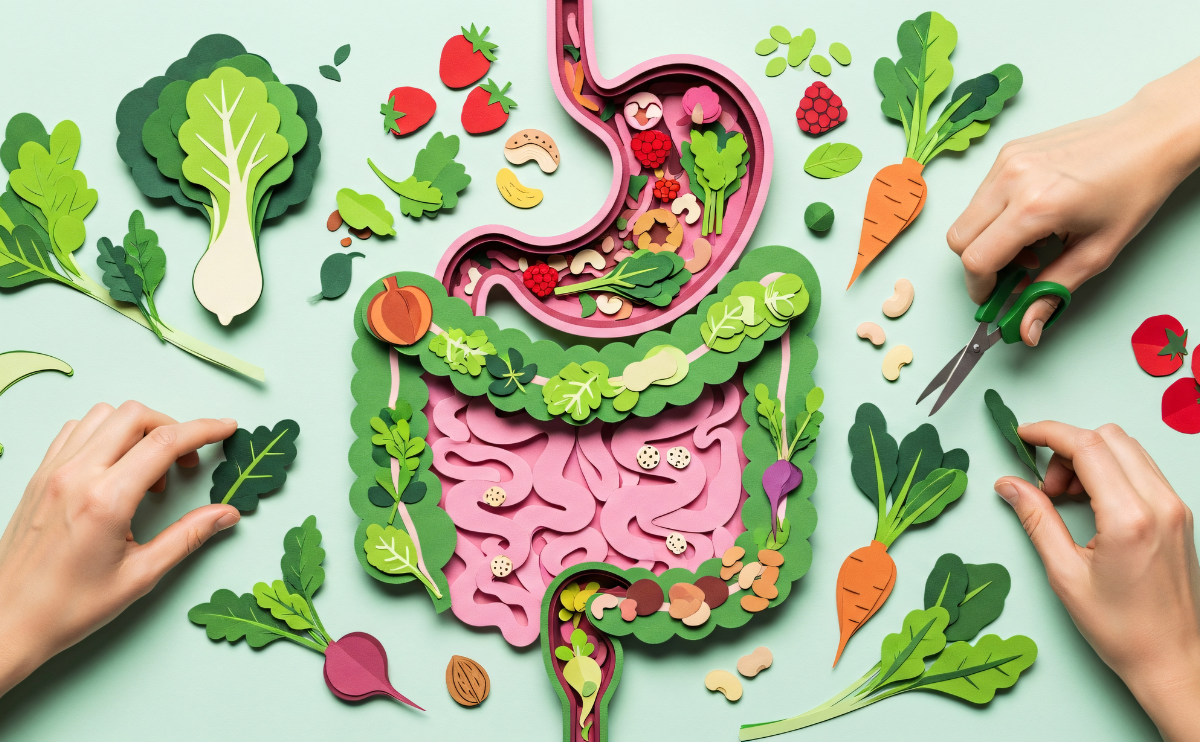
Gut health has become one of the most important topics in modern wellness — and for good reason. Your gut is home to trillions of microorganisms, collectively known as the gut microbiome, which influence digestion, immune function, metabolism, mood, and even skin health. When this system is balanced, you feel energized, comfortable after meals, and mentally clear. When it’s not, symptoms like bloating, irregular digestion, fatigue, and food sensitivities often appear.
Many people assume gut problems happen randomly, but in reality, daily habits and environmental exposures play a major role. Below are the most important factors that affect gut health and what you can do to support a healthier digestive system.
1. Diet Quality — The #1 Driver of Gut Health
Your diet directly feeds the bacteria in your gut. The foods you eat either nourish beneficial microbes or encourage the growth of harmful ones.
How poor diet harms the gut:
- Highly processed foods lack fiber, which good bacteria need to survive
- Excess sugar promotes the growth of undesirable bacteria and yeast
- Artificial additives and emulsifiers may irritate the gut lining
How to improve:
- Eat more fiber-rich foods like vegetables, fruits, whole grains, and legumes
- Include prebiotic foods such as garlic, onions, oats, and bananas
- Add fermented foods like yogurt, kefir, kimchi, or sauerkraut
A diverse, plant-rich diet encourages microbial diversity, which is a key marker of a healthy gut.
2. Antibiotics and Certain Medications
Antibiotics can be lifesaving, but they are one of the biggest disruptors of the gut microbiome.
Why they affect gut health:
- Antibiotics kill both harmful and beneficial bacteria
- Repeated use can reduce microbiome diversity long-term
- Imbalance may lead to digestive discomfort after treatment
Other medications that may influence gut health:
- NSAIDs (pain relievers) may irritate the gut lining
- Proton pump inhibitors (acid reducers) alter stomach acidity
- Some hormonal medications may influence bacterial balance
After medication use, focusing on fiber, fermented foods, and probiotic support can help the gut environment recover.
3. Chronic Stress
The gut and brain communicate constantly through the gut–brain axis. This means emotional stress can physically impact digestion.
How stress affects the gut:
- Changes gut motility (leading to diarrhea or constipation)
- Alters microbiome composition
- Increases gut sensitivity and discomfort
Long-term stress can contribute to bloating, irregular digestion, and increased gut permeability.
What helps:
- Regular relaxation practices (deep breathing, meditation)
- Physical activity
- Consistent sleep schedule
Managing stress is not just mental health care — it is digestive health care.
4. Poor Sleep Habits
Sleep is when the body repairs itself, including the digestive system.
Effects of sleep deprivation:
- Reduces microbial diversity
- Increases inflammation
- Disrupts circadian rhythms that regulate digestion
Even short-term poor sleep can influence gut bacteria balance.
Aim for:
- 7–9 hours of sleep per night
- Consistent sleep and wake times
- Reduced screen exposure before bed
5. Lack of Physical Activity
Exercise benefits far more than muscles and heart health — it also supports the microbiome.
How movement supports gut health:
- Increases microbial diversity
- Improves digestion and bowel regularity
- Supports anti-inflammatory processes
Sedentary lifestyles are associated with slower digestion and reduced gut diversity.
Recommendation:
At least 30 minutes of moderate activity (walking, cycling, strength training) most days of the week.
6. Low Water Intake
Hydration plays a crucial role in digestion.
Why water matters:
- Helps move food through the digestive tract
- Supports nutrient absorption
- Prevents constipation
Dehydration can slow digestion and make stools hard and difficult to pass.
Tip: Aim for steady hydration throughout the day rather than large amounts at once.
7. Alcohol Consumption
Alcohol can significantly influence gut balance.
Effects on the gut:
- May damage the intestinal lining
- Alters bacterial composition
- Can increase gut permeability
Frequent alcohol intake is linked to digestive discomfort and inflammation.
Better approach:
Moderation and alcohol-free days allow the gut to maintain balance.
8. Infections and Gut Illness
Food poisoning, stomach viruses, or bacterial infections can disrupt gut bacteria even after recovery.
After-effects may include:
- Temporary imbalance in gut microbes
- Increased sensitivity to certain foods
- Changes in digestion patterns
Rebuilding gut health after illness requires nutrient-rich foods, hydration, and sometimes probiotic support.
9. Artificial Sweeteners
Some research suggests artificial sweeteners may alter gut bacteria in certain individuals.
Potential concerns:
- Changes in microbial composition
- Bloating or digestive discomfort in sensitive people
Natural sweeteners in moderation, or reducing overall sweetness in the diet, may help.
10. Environmental Toxins
Modern environments expose us to chemicals that may affect gut health.
Examples include:
- Pesticide residues on food
- Air pollutants
- Chemicals from food packaging
While total avoidance is unrealistic, you can reduce exposure by:
- Washing produce thoroughly
- Choosing whole foods over packaged options
- Using glass or stainless-steel containers when possible
Signs Your Gut Health May Be Out of Balance
- Frequent bloating
- Constipation or diarrhea
- Gas or abdominal discomfort
- Food intolerances
- Fatigue
- Brain fog
- Skin issues
Persistent symptoms should be discussed with a healthcare professional.
How to Improve Gut Health Naturally
Gut health improves through consistent daily habits:
- Increase dietary fiber gradually
- Eat fermented foods regularly
- Stay hydrated
- Exercise consistently
- Manage stress
- Prioritize quality sleep
- Consider probiotics and digestive support supplements as part of a balanced routine
Supporting Your Gut Health with Targeted Nutritional Support
While diet and lifestyle form the foundation of a healthy gut, many people still struggle to get enough beneficial bacteria and digestive support from food alone. Modern diets, stress, medication use, and environmental factors can make it difficult for the gut microbiome to stay balanced.
This is where high-quality probiotic and gut-support supplements can play a valuable role.
A well-formulated gut health supplement may help:
- Replenish beneficial bacteria that support digestion
- Promote a balanced gut microbiome
- Support nutrient absorption
- Reduce occasional bloating and digestive discomfort
- Strengthen the gut barrier and overall digestive function
For individuals dealing with irregular digestion, frequent bloating, or recovery after antibiotics, adding a daily probiotic and digestive support formula can complement healthy lifestyle habits.
Vitanow Gut Care Complex is designed specifically to support digestive balance and microbiome health. Its formula focuses on delivering targeted probiotic strains and gut-supporting nutrients that work alongside a fiber-rich diet and healthy routine.
Rather than replacing good habits, supplements work best as part of a complete gut health strategy that includes:
- Whole, fiber-rich foods
- Stress management
- Proper hydration
- Consistent sleep
When used consistently, this combined approach can help maintain digestive comfort, support immunity, and promote overall wellness from the inside out.
Conclusion
Gut health is shaped more by lifestyle choices than most people realize. Diet, stress, sleep, hydration, and environmental exposures all interact with the microbiome daily. The encouraging news is that small, sustainable changes can significantly support a healthier gut over time, improving digestion, energy levels, and overall well-being.

Artificial Sweeteners is the reason of my digestive system disorder.
Agree with you.
Not only artificial sweeteners but also sugar is so dangerous to health,
Thats is why it is said that SUGAR IS SLOW POISON